
by Randy Betts
A few years ago, I was recruited hard and heavy. I was in high demand. I love bass fishing and have been chasing bass for most of my adult life. Yeah, I had it all… glittery bass boat, newish truck of the same color, way too many rods, stylish polarized glasses, and a closet full of fishing shirts. In my small southern town, I was well known as a bass fisherman because everyone in town had seen me pulling my boat many times.
They assumed I was a pretty strong competitor, but the main reason I was on the recruitment ‘hit-list’ is that I owned a boat. That’s really all it took to get recruited to captain a high-school fishing team. After meeting the boys and seeing their drive to succeed, I agreed to captain the two 10th grade boys in the High School Bass Fishing tournaments. I told the boys that I was really just a mediocre bass angler but that I would give it 100 percent if they would.
I was given the schedule and there was one lake that I had never been on. I felt pretty good about the others. I studied the rules on getting information, off limit days prior to the tournament, and other regulations. I had only a few days that I could get any help with that lake so I decided to hire a guide to show me how to navigate the lake and teach me a little about it. So, I did like anyone else would; I sat down with Google and social media to find possible guides.
The website looked good. The pictures were even better… numerous smiling clients with big fish. I called and booked the trip, counted down the days, and showed up with that mix of excitement and expectation every outdoorsman knows well. It didn’t take long to realize I’d missed the mark.
The guide was late, which is never a great way to start a morning that’s supposed to begin before sunrise. When he finally pulled up, there wasn’t much in the way of a greeting, just a quick nod and a rushed push to launch the boat. I climbed in and immediately noticed the gear looked like it had been rode hard and put away wet one too many times. Rod guides were bent, reels sounded like they had gravel in them, and the electronics looked like leftovers from another decade. I’ve sold better equipment in garage sales.
Still, I figured, fish don’t care about shiny equipment. We idled out, and to his credit, we did catch a few fish. But that’s about where the positives stopped. There were no drinks in the cooler. No snacks. No conversation to speak of unless I initiated it. And maybe most disappointing of all, there was no effort to teach or explain anything. We’d move spots without a word. I’d ask a question and get a one-word answer, if that. It felt less like a guided trip and more like I’d paid for a quiet ride in someone else’s boat. We saw about one quarter of the lake, and I learned very little about safely navigating the lake. The guide told me if we went any further, we would be paddling back because he was low on fuel.
By the time we loaded up, I had caught a couple of decent fish, and made a long list of reasons I wouldn’t be booking that trip again. It wasn’t a disaster, but it wasn’t what I’d hoped for; and it certainly wasn’t worth the money I paid. Worthy of a tip? Heck No!
For a while, I chalked it up to just a lesson learned. Then, not too long after, I decided to give it another shot with a different guide. I’ll admit, I was a little hesitant the second time around. But from the very first phone call, I could tell this one was going to be different.
He asked questions. What did I want out of the trip? Was I looking to learn, to catch numbers, or chase something bigger? Had I fished that body of water before? What gear did I prefer using? Before we ever set a date, he was already tailoring the experience to fit my needs.
The morning of the trip, he was early. Not on time, early. The boat was clean, organized, and clearly well cared for. Rods were lined up and ready, each one rigged with a purpose. A cooler sat within reach, stocked with cold drinks and a few snacks that hit the spot later in the morning. It set the tone before we ever left the dock.
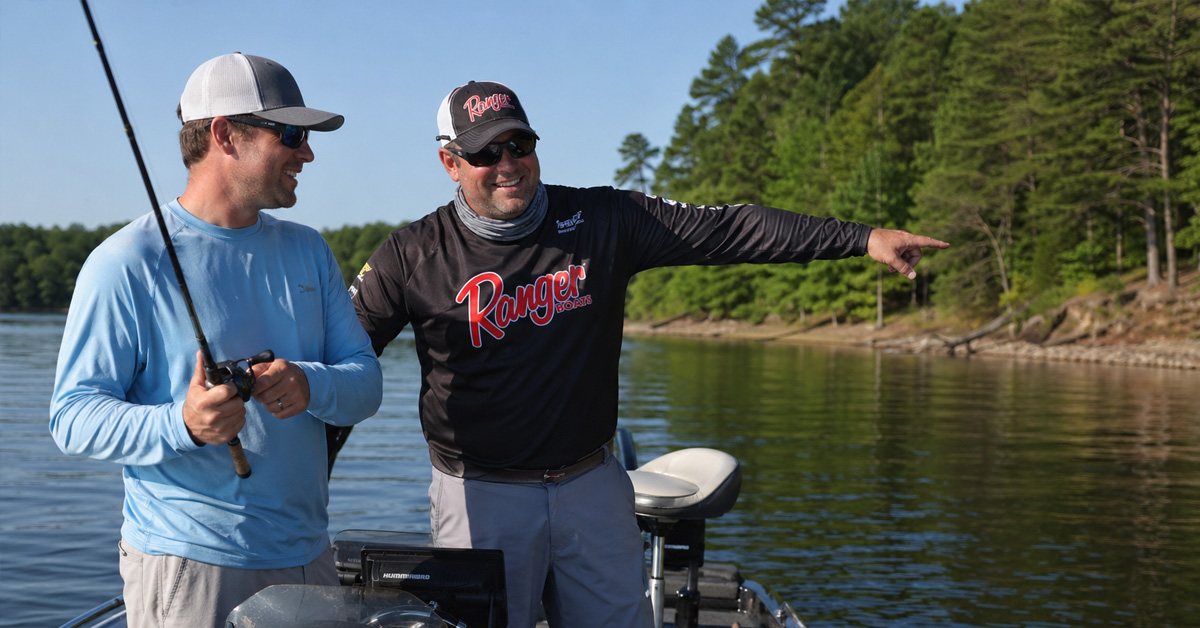
Out on the water, everything felt intentional. He explained what we were doing, why we were doing it, and what to look for. When the fish didn’t cooperate, he adjusted without hesitation, moving us to new water and changing tactics in a way that made it feel like part of a plan rather than a reaction. And when we started catching fish, it wasn’t just about reeling them in. He pointed out details, how they were positioned, what they were relating to, why a certain retrieve worked better than another. It was the kind of information you can take with you, the kind that makes you better the next time you go on your own.
We caught more fish that day, and better ones. He told me the best boat ramps to launch at and taught me how to safely navigate from one end of the lake to the other. But more importantly, I stepped off that boat feeling like I’d gained something beyond a handful of photos.
That’s the difference a good guide makes.
If you’re considering booking a guided trip, there are a few things worth keeping in mind—lessons learned the hard way in one case, and reinforced the right way in another.
Start with communication. Before you ever commit, pay attention to how a guide interacts with you. Do they answer your questions thoroughly? Do they ask any of their own? A guide who takes the time to understand your expectations is far more likely to meet them.
Look for professionalism in the details. Being on time (or early) matters. Clean, organized equipment matters. A well-maintained boat or vehicle matters. These aren’t just cosmetic things; they reflect how seriously someone takes their work.
Ask what’s provided. Not every trip will include food and drinks, but a guide should make that clear upfront. If they DO provide them, it’s often a sign they’ve thought through the client experience beyond just the act of catching fish or finding game.
Pay attention to their willingness to teach. Even if your primary goal is to catch as much as possible, or learn to navigate a lake with no real boat lanes, a guide who explains what’s happening and why adds value to the trip. You’re not just there for a single day, you’re building knowledge you can use for years.
Reputation still matters, but dig a little deeper than a highlight reel. Anyone can post their best days. Try to find consistent feedback from real clients. It isn’t about picking the flashiest website or the biggest social media following. It’s about finding someone who understands not just the water, but the client’s desires. It’s part skill, part personality, and part old-fashioned work ethic. Ask around if you can. Word of mouth will often tell you more than any advertisement.
Consider attitude and personality. You’re going to spend hours with this person, sometimes in tight quarters. A guide who’s patient, respectful, and engaged can make even a slow day enjoyable. The opposite can make a good day feel long.
Beyond results, communication is where the good ones really stand out. A quality guide won’t leave you guessing. They’ll tell you what to bring, what to expect, and what the conditions look like ahead of time. If the bite is slow or the wind is howling, they won’t sugarcoat it. That kind of honesty might cost them a booking here and there, but it builds trust, and trust is what keeps clients coming back.
The right guide doesn’t get frustrated when things go sideways. They teach instead of criticize. They celebrate the small wins, especially when someone is learning. For a lot of folks, the memories they take home have less to do with the size of the catch and more to do with how they were treated along the way.
Consistency is what separates a weekend hot streak from a professional. A solid guide knows how to adapt when the weather changes, when the fish move deeper or decide to do something completely different than they did yesterday. Anybody can look good on a perfect day. The right guide earns their keep when things get tough.
Don’t overlook newer guides. Some of the hardest working guys in the business are the ones still building their reputation. They may put in longer hours, scout more often, and go the extra mile simply because they’re hungry to prove themselves. If they come recommended by someone you trust, they can be a great choice.
Finally, think about value instead of just price. The cheapest option isn’t always a bargain, and the most expensive isn’t always the best. Look at what you’re getting (time, effort, knowledge, preparation) and weigh that against the cost. Do a little homework and always trust your instincts. If it doesn’t feel right over the phone, it probably isn’t going to be a good fit.
In the end, a guide is more than someone who puts you on fish or game. They’re part teacher, part host, and part problem-solver. When you find the right one, it shows in every aspect of the trip from the first handshake to the last cast.
I learned that the hard way once. Thankfully, I learned it the right way the second time.