
By Kelly Reeves
It was a story often shared around campfires at deer camps and in duck blinds. It is remembered by game wardens as one of the darkest days in their history. At the center of it all was a man doing his job when things turned for the worse… Texas Game Warden Gus Engeling.
It was Friday, December 14th of 1951. Gus Engeling was exactly the kind of man you’d expect to find wearing a badge in the Pineywoods of East Texas. A U.S. Army Air Forces veteran of World War II, a biologist, and a 12-year officer with the Texas Game and Fish Commission, Engeling was known as a hardworking, no-nonsense warden who took his duties seriously. He was well known in the small East Texas community for his integrity, high morals, and faith in God.
On that cold December day, Engeling was working near the Darden Wildlife Management Facility in Anderson County, today known as the Gus Engeling Wildlife Management Area in his honor. While assisting a work crew, he heard a shotgun blast echo across the marsh near Catfish Creek. That sound meant one thing; someone was hunting illegally.
Unarmed at the time, Engeling did what game wardens have always done. He went to investigate the shots. Moving through the wet, tangled bottomland, he came upon a duck hunter who had already taken birds out of season. When Engeling attempted to make the arrest, the man bolted.
What followed was a short but fatal foot pursuit. The suspect turned, raised his shotgun, and fired. The blast struck Warden Engeling, killing him on the spot.
If Warden Engling’s murder wasn’t tragic enough, what happened next added a chilling layer to the crime.
Rather than flee for good, the poacher returned to the scene the following day. He dragged Engeling’s body into the marsh and hid it beneath a submerged tree, hoping the murky East Texas waters would keep the secret buried forever.
When Warden Engeling failed to return home to his wife and three small children, concern quickly turned into alarm. Fellow wardens, local lawmen, and citizens launched a search across the swamps and sloughs of Anderson County. Several days passed before the grim discovery was made and Engeling’s body was recovered from the water where the killer had concealed it.
Evidence at the scene, including personal items left behind, helped point investigators in the direction of a suspect.
The man responsible, Alton Paris, was not a stranger to the law, or to Warden Engeling himself.
Accounts indicate the suspect had a history of illegal hunting and was already known in the area as a man who would not allow game laws to hinder him from putting meat on the table to feed his wife and thirteen children.
That familiarity likely made the encounter all the more dangerous. This wasn’t a run-in with an unknown trespasser. This was a meeting between a determined lawman and a repeat offender who had no intention of being taken in.
After the killing, Alton Paris attempted to carry on as if nothing had happened. But the net was tightening around him. While detailed public records are scarce, what is known paints the picture of a family man with a wife and thirteen children who depended on him. A man who was rooted in the rural culture of East Texas. A man who depended on wild game to feed his family. A man who was familiar with the land, the waterways, and the habits of both game animals and game wardens. The very knowledge which made him a skilled hunter and outdoorsman, also made him a dangerous fugitive.
Authorities soon tracked him down, and under intense interrogation, he confessed to the murder. The case moved quickly once the suspect was in custody. He was charged, tried, and convicted of the murder of a peace officer, a crime that carried the harshest penalty under Texas law.
The sentence was death.
On December 2, 1952, less than a year after the murder, Alton Paris was executed in the electric chair known as “Old Sparky” at the penitentiary at Huntsville, Texas.
For the people of Anderson County and the Texas Game and Fish Commission, justice had been served, but the tragic loss lingered. Engeling left behind a wife and three children, and a legacy that would not be forgotten.
Today, the land where Engeling died bears his name, a lasting tribute to a man who gave his life protecting Texas wildlife. What was previously known as the Darden Wildlife Management Facility would be renamed the Gus Engling Wildlife Management Area.
Among game wardens, his story is more than history. It’s a reminder of the risks that come with the badge of a Texas Game Warden, especially in the lonely, often lawless corners of the outdoors where the people they contact are armed more often than not.
ANDERSON COUNTY: The Movie
Today, over seventy years later, that story is being brought to life for a new generation.
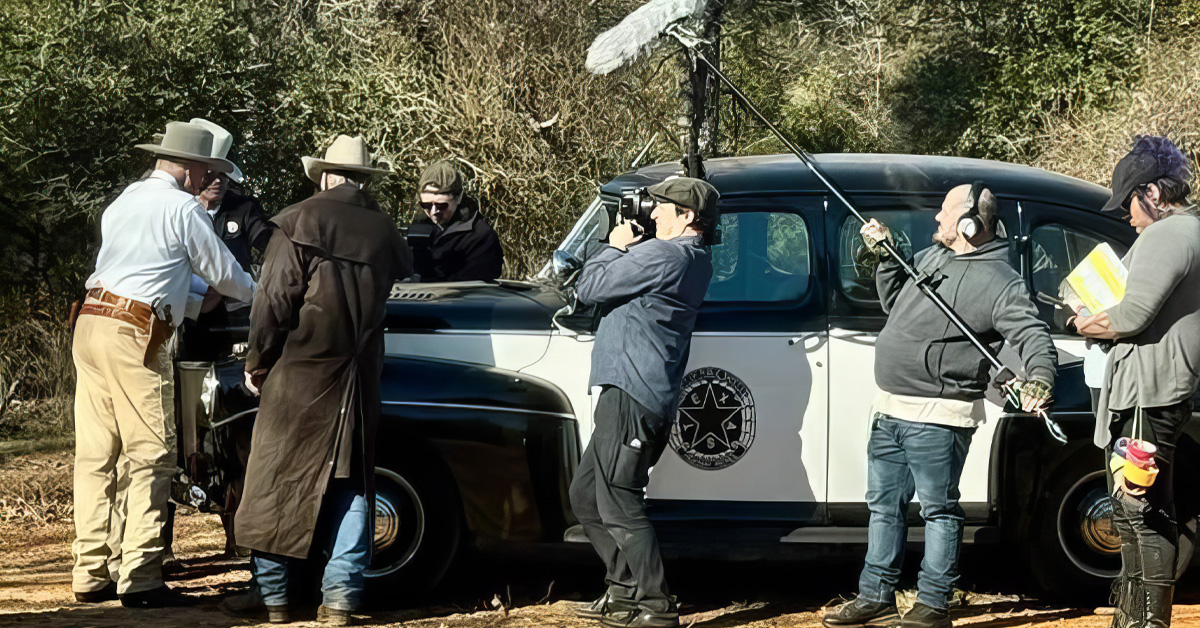
The upcoming film, ANDERSON COUNTY, directed by Gary Parker, is based on the true events surrounding Engeling’s murder. According to producers Chris Seagler and Soni Anglin, the film chronicles the events leading up to the deadly incident in East Texas and uncovers the deeper story of both men and the families they left behind, blending historical fact with dramatic narration.
The project has strong roots in Texas with creators who grew up hearing the story firsthand, an important detail that suggests the film will aim for authenticity rather than Hollywood gloss.
While full casting and production details are currently emerging, we found that actual relatives of the main characters are playing parts in the film. Historically correct places appear throughout the film as the producers strive for an authentic portrayal of the events of the day. The film is already generating interest among outdoorsmen, law enforcement communities, and true-crime enthusiasts alike. The combination of real history, regional pride, and a powerful narrative gives ANDERSON COUNTY the kind of foundation that resonates far beyond the screen.
There’s a reason this story has remained alive for over seventy years. It’s not just about a crime. It’s about duty, sacrifice, and the thin line game wardens walk every day, often alone, often outgunned, and often facing people who don’t want to be caught.
In an era when outdoor traditions are still deeply tied to Texas identity, the story of Gus Engeling serves as both a warning and a tribute. It reminds us that conservation law isn’t just about protecting wildlife, it’s about protecting people, too.
When ANDERSON COUNTY hits the screen this fall, audiences won’t just be watching a movie. They’ll be stepping into a piece of East Texas history, one rooted in muddy boots, cold water, and a gunshot that echoed across generations. And somewhere in that story, beneath the drama and the cinematography, is the simple truth that started it all…
A game warden heard a shot and went to investigate without fear or hesitation. The price paid was his life and two broken families.