
by Terry Robertson
There’s something satisfying about digging into your own little patch of earth and knowing that the best fishing bait you’ll use all year is right there under your flip-flops. Long before the big outdoor stores were on every corner, online tackle shops were at our fingertips, and Amazon was just a South American rain forest, fishermen raised their own worms. It wasn’t fancy, it wasn’t expensive, and it worked. Even today, with all the modern options available, home-raised worms are still one of the most dependable and effective fish baits a person can use.
Raising worms at home is part gardening, part recycling, and part old-fashioned common sense. It doesn’t take much space, doesn’t cost much money, and once you get the hang of it, it almost takes care of itself. Best of all, the worms you raise are lively, healthy, and perfectly suited for catching fish because they haven’t been stressed by transport, refrigeration, or sitting in a bait shop cooler for days.
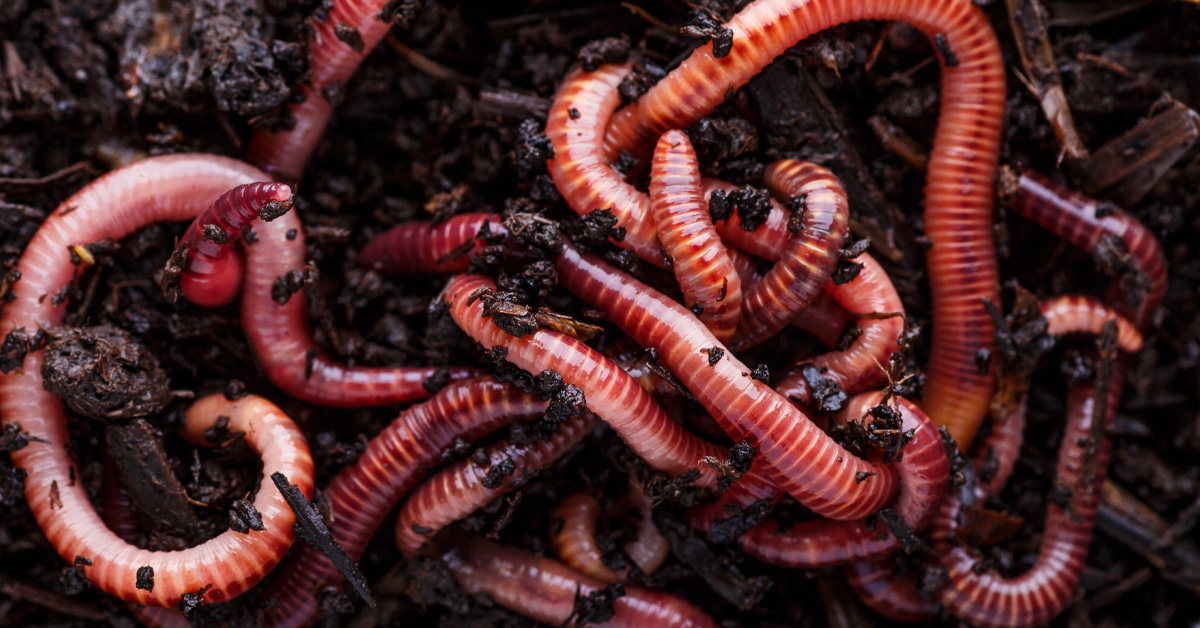
Most folks start with nightcrawlers or red wigglers. Nightcrawlers are the traditional favorites for fishing because of their size and toughness. They’re ideal for bass, catfish, and just about anything else that swims. Red wigglers are smaller, more active, and reproduce faster, making them excellent for perch and other panfish. Many home worm growers raise both, using separate bins, so they always have the right bait for whatever fishing trip comes along.
A worm bed can be as simple or as elaborate as you want to make it. Some people build wooden boxes that sit in a shaded corner of the yard, or an old chest freezer under a shed. Others use plastic storage totes with air holes drilled in the sides. The key isn’t the container itself, but what’s inside it.
Worms need cool, moist bedding that mimics the soil they naturally live in. Shredded newspaper, cardboard, peat moss, coconut hulls, and garden soil all make good bedding materials. A mix of these usually works better than using just one.
Moisture is critical. The bedding should feel like a wrung-out sponge—damp but not dripping wet. Too dry, and the worms will shrivel and die. Too wet, and the bedding can turn sour and drive the worms out or kill them outright. A simple way to manage moisture is to sprinkle water in with a spray bottle and mix the bedding by hand every few days until you get a feel for how it holds water.
Location matters, too. Worms prefer cool, steady temperatures. A shaded outdoor spot works well in mild climates, but in areas with hot summers or cold winters, many folks keep their worm bins in a basement, garage, or shed. Ideally, you want temperatures between about 50 and 70 degrees. Worms can survive outside that range, but they won’t reproduce well, and they’ll be more prone to stress.
Feeding your worms is where the whole operation really comes together. Worms eat decomposing organic matter, not fresh scraps. Vegetable peelings, coffee grounds, crushed eggshells, and leftover greens are all excellent worm food. Meat, dairy, oily foods, and heavily salted scraps should be avoided, as they can rot, smell bad, and attract pests. Food should be buried lightly in the bedding so it breaks down slowly and doesn’t draw flies.
One of the biggest mistakes beginners make is overfeeding. Worms don’t need much, and uneaten food quickly becomes a problem. It’s better to feed small amounts and wait until most of it disappears before adding more. As the worms eat, they produce castings, which are rich, dark, soil-like material that looks like coffee grounds. These castings are a sign that your worm bed is healthy, and gardeners prize them as one of the best natural fertilizers available.
The only real danger for the worm bed is ants. Well, armadillos and birds can cause issues if the bed is where they can get to it. Fire ants in our area will invade a worm bed and kill all the worms almost overnight. The area surrounding your worm bed must be kept free of ants, especially during rainy times.
Over time, your worm population will grow. Healthy worms reproduce steadily, especially red wigglers, which can double their numbers in just a few months under good conditions. When the bedding starts to look more like castings than shredded paper, it’s time to refresh the bin. This can be done by moving the worms to one side, adding fresh bedding to the other, and letting them migrate on their own. The old castings can be scooped out and used in the garden.
Gathering worms for fishing is simple. A small hand trowel or your fingers is all you need. The worms will usually be concentrated near the areas where you’ve been feeding them. For fishing, it’s best to take only what you need for the day. This keeps the worm bed healthy and ensures you always have bait ready to go. Worms can be stored short-term in a small container with damp bedding in a refrigerator, but fresh from the bin is always best.
Home-raised worms tend to be tougher and more active on the hook. They haven’t been chilled and warmed repeatedly, and they’re well-fed and strong. When threaded onto a hook, they wiggle naturally and give off scent that fish can’t resist. Many fishermen swear they catch more fish with home-grown worms than with store-bought ones, and it’s hard to argue with their results.
There’s also a deeper satisfaction that comes from raising your own bait. It connects you to a slower, more thoughtful way of fishing, one where preparation is part of the enjoyment. On rainy evenings or during the off-season, tending a worm bed gives you something productive to do that keeps fishing close to your mind, even when you can’t get to the water.
Raising worms at home is also a great way to introduce kids to fishing and responsibility. Children love checking the bins, seeing how the worms grow, and knowing they helped produce the bait that catches the fish. It teaches patience, respect for living things, and the idea that good fishing doesn’t always come from a store shelf.
In the end, raising worms for fish bait is about simplicity and self-reliance. It’s a small project that pays steady dividends, season after season. With a little care and attention, a worm bed can supply more bait than most fishermen will ever need, all while reducing waste and keeping a time-honored fishing tradition alive. The next time you slide a fat, lively worm onto your hook and feel that familiar tug on the line, you’ll know exactly where it came from—and that makes the catch just a little sweeter.