
by Bruce Landry
In Northeast Texas and Northwest Louisiana, spring does not ease in quietly. One week you are feeding hay in a north wind, and the next you are looking across a pasture washed in green.
March daytime temperatures are often pushing into the sixties and seventies, redbuds are blooming along the fence lines, and cool-season grasses begin to stretch. Not long after, warm-season grasses like bermudagrass and bahiagrass start to stir as soil temperatures climb toward the mid-60s. It is an encouraging sight. But it is also the time when overgrazing can quietly set a ranch back for the rest of the year.
This region’s climate plays a big role in how and when grazing should begin. Northeast Texas and Northwest Louisiana typically receive generous spring rainfall. Thunderstorms can drop several inches in a hurry, leaving clay soils saturated and soft. Those same soils, common across counties from around Paris and Mount Pleasant down through Shreveport and Ruston, can compact easily under hoof traffic. When cattle are turned out too early on wet ground, they do more than nip off tender growth. They punch down crowns, shear roots, and create ruts that linger into summer.
Most of the perennial forage base in this area is built around warm-season grasses. Bermudagrass dominates many improved pastures, with bahiagrass common on lighter soils. Some producers also manage dallisgrass, and native pastures may include little bluestem and other prairie species. In late winter and very early spring, these grasses are just beginning to break dormancy. The first shoots rely heavily on carbohydrates stored in the roots from the previous growing season. Until there is enough leaf area to capture sunlight and replenish those reserves, the plant is living on borrowed energy.
If cattle graze that early flush too closely, the plant must pull again from its roots to regrow. In a year with ample moisture, it may recover, but root systems often shrink in the process. In a year when spring rains taper off and early summer heat arrives fast, those shortened roots can spell trouble. Drought stress shows up sooner, growth slows, and weeds find open space to move in.
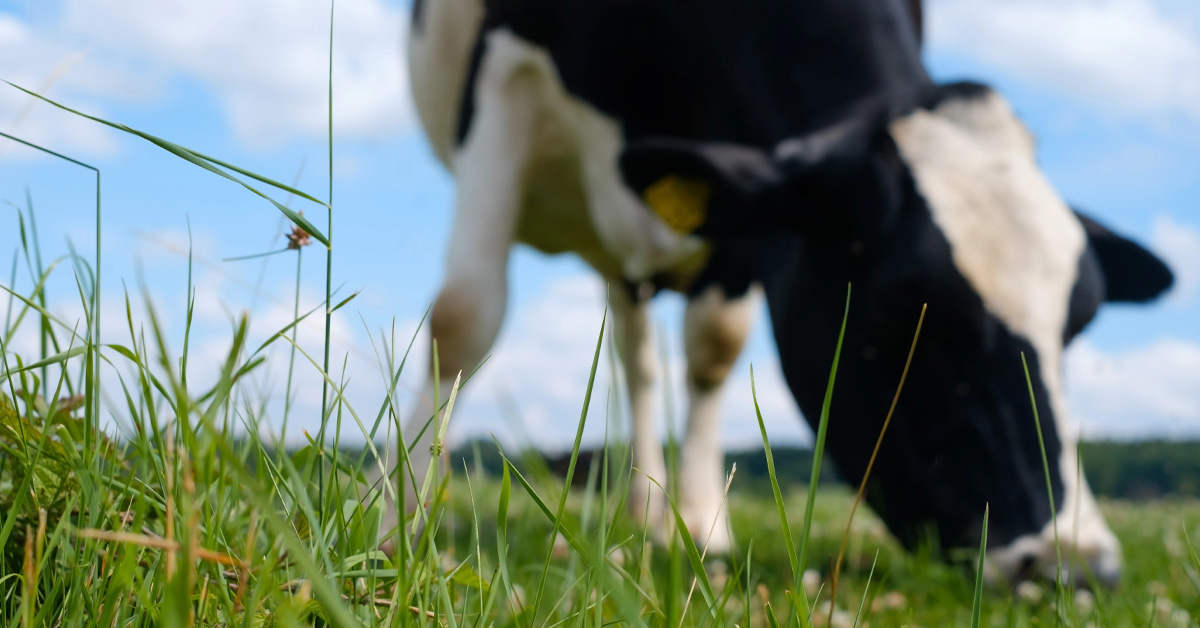
One of the simplest strategies for this region is delaying turnout on warm-season pastures until they are truly ready. Bermudagrass should generally reach eight to ten inches before grazing begins, and it should not be grazed below about three inches. That remaining stubble protects the growing points and allows quick recovery. Bahiagrass can tolerate slightly closer grazing, but even it benefits from leaving a solid residual. Turning cattle out when grass is only four or five inches tall may stretch hay supplies in the short term, but it often costs more in lost production later.
Rotational grazing fits well with the climate patterns of Northeast Texas and Northwest Louisiana. Spring growth can be explosive once soil temperatures rise and moisture is adequate. By dividing larger pastures into smaller paddocks, a producer can move cattle quickly through one area and allow the others to rest. Early in the season, rest periods may need to be three to four weeks, depending on rainfall and temperature. As growth accelerates in late April and May, recovery times can shorten.
The benefit of rotation in this region is not just plant recovery. It also helps manage the uneven grazing that is common when cattle are left on large fields. They tend to overgraze preferred spots, often near shade or water, while ignoring other areas. In the humid climate of this region, those overgrazed patches can quickly become weedy. Giving each paddock a defined rest period encourages more uniform use and a thicker stand of grass overall.
Stocking rate deserves careful attention here as well. This part of the country can grow a tremendous amount of forage in a good year, but it can also swing from wet springs to hot, dry summers in a matter of weeks. Basing stocking decisions on average rainfall can be risky. It is often wiser to stock conservatively and take advantage of surplus forage in wet years through hay production. Cutting hay off part of the acreage during peak spring growth reduces grazing pressure and builds a reserve for the next winter.
Soil conditions in spring should guide daily decisions. When heavy rains leave the ground saturated, it may be better to hold cattle in a designated sacrifice area rather than allowing them to trample vulnerable pastures. Feeding hay in that smaller space for a short period can protect the rest of the ranch from compaction damage. Given the clay content of many soils in this region, avoiding deep hoof prints in March and April can improve infiltration and root growth for months to come.
Many producers in Northeast Texas and Northwest Louisiana overseed bermudagrass with annual ryegrass or clover to extend the grazing season. This can be an excellent strategy, but it requires careful management. Ryegrass often matures earlier than warm-season grasses break dormancy. If cattle are allowed to graze ryegrass too short in early spring, they may also clip emerging bermudagrass shoots. Managing grazing height so that bermudagrass can establish strong early growth is critical. Once warm-season grasses take off, grazing pressure on ryegrass should ease naturally.
Soil testing and fertilization can further strengthen spring pastures. These humid soils can lose nutrients through leaching, and bermudagrass in particular responds well to adequate nitrogen. Still, fertilizer cannot correct poor grazing management. Pushing for rapid growth while allowing cattle to graze too close only accelerates stress on the plants.
In this region, grass is a crop shaped by heat, humidity, and sudden storms. Managing it well in spring requires patience and observation. Watching soil temperature, rainfall patterns, and grass height is more reliable than circling a date on the calendar. The producer who waits for pastures to reach proper height, rotates cattle thoughtfully, protects wet soils, and matches stocking rate to realistic forage production is building resilience into the system.
When summer heat settles over the south and the humidity hangs thick in the air, the benefits of careful spring grazing become clear. Pastures that were protected early hold deeper roots, thicker stands, and better drought tolerance. Cattle perform more consistently, and supplemental feeding is reduced. Preventing overgrazing as pastures wake from winter is not complicated, but in this climate, it is essential. A little restraint in March and April often pays off all the way to fall.