
by Wm. Ramsey
There are some fishing stories that start at the boat ramp with a tall tale or two, and then there are the ones that start with a bait so strange that people scratch their heads and say, “Well, that’ll never work.” But every now and then, that oddball lure becomes the thing that bass smack when nothing else will work. That’s the story of a Japanese creation called the Coike — a bait that looks less like your granddad’s plastic worm and more like something a house cat would spend hours playing with.
If you’re picturing something with tendrils like underwater hair, you’re on the right track. The Japanese didn’t set out to invent a fuzzy little critter just to mess with American anglers — they did it because they were fishing some of the toughest bass water on the planet. In Japan’s clear lakes and pressured ponds, fish see almost every lure imaginable on a weekly basis. That pressure forces lure designers to think different, and think big about tiny movements. That’s where the Coike story begins.
Now, to be honest, there’s not one single “first day” story stamped in the history books for the first Coike ever made. Unlike classic lures where you can point to a patent date or a factory run in a specific year, Coike evolved. The idea grew out of what Japanese anglers called dice baits — lures with little cubes or rounded cores surrounded by thin strands of silicone that look alive even when sitting still. Those were being talked about online in Japan as early as 2021 and 2022, with anglers sharing videos of bass eating these bizarre little baits like they were candy.
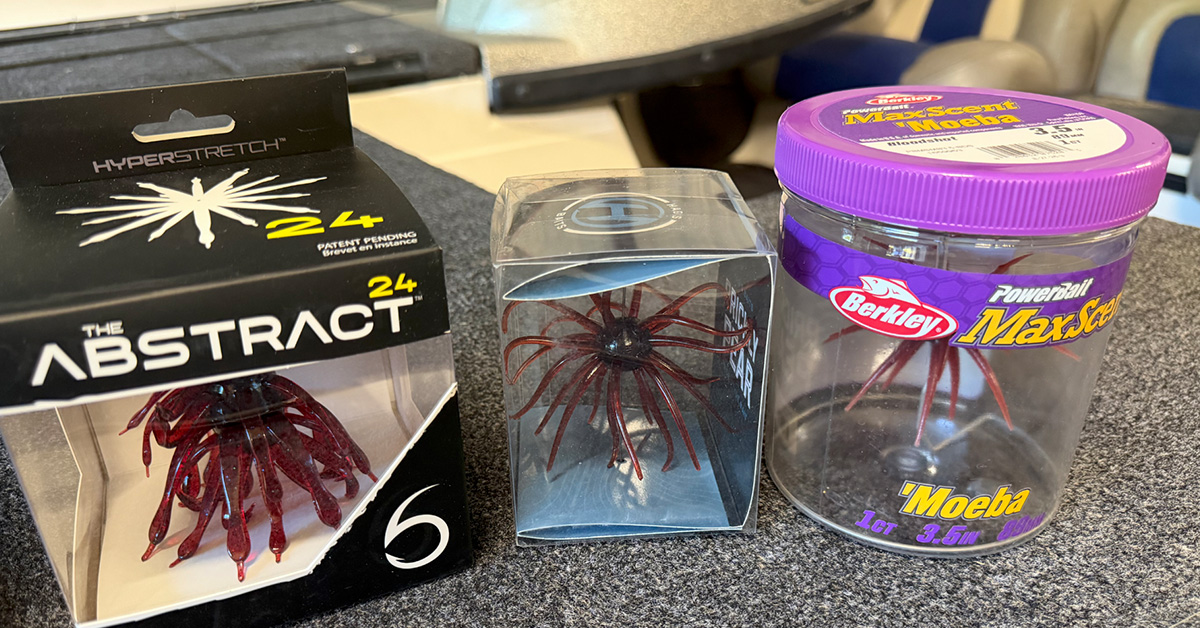
But even before the whole fuzzy dice category caught fire abroad, one style had been around in Japan for a long while — the Coike Fullcast. This wasn’t a square block with attach-on silicone hair; instead, it was a round, sphere with its “hair” molded right into the body — almost like a soft plastic sea urchin. Local pros fishing Japan’s high-pressure lakes like Biwa had been tossing it for years before the rest of the world caught on. That’s because Coike Fullcast was genuinely something different — a bait that bass in those clear waters hadn’t seen a thousand times before.
Fast forward to a couple of years ago, and videos started trickling onto American social media of Japanese pros using these fuzzy baits in tournaments. One standout moment was when a Japanese angler turned heads by placing high in a Bassmaster Elite event while fishing one of these small, subtle presentations on a dropshot. That put a spotlight on the concept among serious competition anglers, and anglers willing to experiment with something that didn’t look like what their buddies were throwing.
Word soon spread like wildfire. Soon specialty tackle shops in the U.S. were importing these lures — and not just one size or shape. Small versions like the Hideup Coike 13mm and Hideup Coike 17mm Creature Bait became favorites for finesse junkies, while the larger Hideup Coike Fullcast Creature Bait gave anglers more heft to cast and let bass see in open water. Variations like Hideup Coike Shrimp Medium and Hideup Coike Shrimp Mini added profile and versatility, and even the more traditional worm-styled Hideup Coike Elastomer Straight brought the hairy action to familiar shapes.
Down on the water, old-timers would walk by and squint at your bait box when you pulled one of these out. But that’s the funny thing about fishing — it doesn’t matter what the lure looks like on land. It’s what it does in the water that counts. And in the water, the Coike’s tiny strands quiver like a school of micro prey in a current, giving off a subtle motion that lures bass away from more aggressive or traditional baits.
Rigging these things doesn’t require a degree in engineering, but it sure feels like you’re doing something out of the ordinary the first time you tie one on. One of the simplest and most common methods is to fish them weightless. Take a Coike, hook it through the center with a good-sized offset or worm hook, and let it sink (or sometimes even suspend) under its own buoyancy. The hair-like strands dance and sway with every twitch and current change, drawing attention without any flashy motion.
Another popular way is the drop shot rig. You tie your line with a small drop shot weight at the end, hook the Coike just above it, and let it hover above the bottom like a tiny mystery meal. That’s a favorite among competition anglers who want to fish deep, pressured water where bass have seen it all. The micro movement of the Coike’s strands often triggers bites when a normal worm or minnow imitation gets ignored.
Some anglers also fish these on Neko rigs — stick the hook point in the middle of the Coike, add a little nail weight to tilt it, and you’ve got a bait that falls sideways and lives in the strike zone longer. Other techniques include Carolina rigs or even simple jig heads, depending on depth and current. The key is slow, subtle movement — let the bait’s texture do the work for you.
Now, American bait makers weren’t blind to this growing fascination. At trade shows like ICAST, you could see the trend spreading like kudzu. Big names such as Strike King introduced lures like the Tumbleweed — a fuzzy, multi-sided bait borrowing the same fundamental idea. Z-Man jumped in with their Fuzzy NuggetZ. Even companies like Big Bite Baits added fuzzy versions of traditional stick worms. These aren’t exact Coike clones, but they take that same fuzzy, micro-action principle and fit it into shapes and presentations familiar to U.S. anglers.
What’s fascinating about this trend isn’t just anglers’ curiosity about a weird looking lure — it’s that competition anglers have really embraced it. In tough tournament waters where bass have been beaned with flukes and worms for years, a mysterious little bait they’ve never seen before can be the difference between a top finish and a day in the trailer. Some pros fish them on ultra-light gear, barely moving the bait, while others drag them through cover or let them suspend in open water, teasing fish that are otherwise ignoring every other presentation.
For the weekend angler, the appeal is similar. There’s a kind of joy in fishing something that feels fresh, something that bass might literally have never seen before in your local lake. It’s a throwback to the days when a new lure was an adventure, not just another box of carbon fiber rods and premium crankbaits.
And really, that’s what the Coike story is all about. It’s a reminder that fishing isn’t static. You can teach old dogs new tricks, and sometimes you can catch new fish with old tricks done in new ways. A bait that started as a niche curiosity in Japan has turned into a global trend because it works — plain and simple. It doesn’t matter whether you’re fishing for giggles or for a big check on a national stage: when bass hit it, you know you’ve got something special.
So next time you’re packing your tackle box, throw in a couple of these quirky little lures. You might get funny looks from the guy next to you, but when that first bass inhales a fuzzy Coike and blows your drag out, you’ll just tip your hat and smile. Because in fishing, the best stories always come from the baits that make people scratch their heads first and open their jaws later.
If you’re curious to try one for yourself, options like the Hideup Coike Fullcast Creature Bait, Hideup Coike 13mm, and Hideup Coike Shrimp Medium offer a range of sizes and actions — all with that signature fuzzy motion that’s got bass and anglers alike talking. Happy fishing!