
Capitalizing on the Shad Kill
for Big Cold Water Bass
by Loyd Leon
Every winter, as water temperatures fall toward their coldest point, lakes and reservoirs across much of the country experience a natural event that quietly transforms the entire food chain. This event, known as the winter shad kill, has become one of the least understood yet most predictable feeding opportunities for trophy largemouth bass. While the sight of stunned or dying baitfish may appear grim, the shad kill creates a seasonal window that can produce some of the heaviest bass catches of the year. Anglers who understand the timing, behavior and patterns associated with this phenomenon often find themselves targeting bass that are easier to locate, easier to fool and more willing to feed than at any other point in the cold season.
The shad kill usually begins when water temperatures dip into the upper 40s or lower 40s, depending on the species of shad and the region. Threadfin shad are the most vulnerable to extreme cold and often begin dying when temperatures approach this threshold. Gizzard shad are more tolerant, but sustained cold snaps can still affect them. When temperatures fall quickly, especially after several warm days, baitfish become stressed and disoriented. Many rise to the surface, flutter near the top or drift along wind currents. Their frantic and uncoordinated movements trigger an instinctive response from bass, which recognize weakened prey and take advantage of easy meals.
Although winter often forces bass to slow their metabolism, the shad kill offers them rare high calorie opportunities. Instead of chasing schools of healthy baitfish that move unpredictably, bass can key in on weak or dying shad that are barely able to swim. This efficient feeding behavior allows bass to conserve energy while maximizing intake during a season when food can become scarce. That combination is exactly why many anglers refer to the shad kill as one of the best big bass patterns in cold water.
For anglers hoping to capitalize on this event, recognizing the signs becomes the first step. On the coldest mornings, especially after a sharp overnight temperature drop, lakes can reveal subtle clues. Gulls and loons often gather over areas where dying shad drift to the surface. Small silver flashes may appear along windblown banks as shad flutter weakly near the top. Some will wash into pockets, creek arms or flat main lake banks where the wind collects debris and baitfish. The presence of stunned shad does not always guarantee bass activity, but it does signal that the lake has entered the critical period when bass begin to feed in a predictable and opportunistic manner.
Timing matters just as much as detection. Not every cold day produces the same level of shad stress. The strongest kills often follow a sudden drop in temperature after a period of more moderate conditions. A rapid decline in water temperature does more damage to shad populations than a gradual cooldown because they do not have time to acclimate. Anglers who monitor weather trends can anticipate these events before they become obvious. When an arctic front pushes through, bringing clear skies and sustained cold, the following day usually becomes a prime time to search.
Once dying shad appear, bass positioning becomes more predictable. Instead of holding tight to deep winter structure, bass often rise in the water column to intercept weak baitfish. In some areas they may suspend near channel swings or along the ends of points, waiting for shad to drift past. In other situations they push into shallow windblown coves where baitfish collect along the surface. What makes this pattern unusual is that winter conditions typically pull bass deeper, yet the shad kill draws them up. This behavior contradicts traditional winter logic, which is one reason anglers who miss the signs often overlook some of the season’s best fishing.
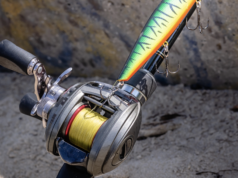
Because bass feed on stunned shad instead of fully functioning ones, lure selection changes from classic winter presentations to imitations that mimic dying baitfish. Soft jerkbaits, gliding lures, lightweight swimbaits and small spoons often produce results when fished with minimal movement. Even a simple slow fall through the water column can resemble a dying shad. Many anglers rely on a subtle twitch and long pause technique that mirrors the erratic behavior of cold stressed baitfish. Others throw a small fluke style bait directly into groups of drifting shad and let it sink naturally. The most consistent strikes often come when the lure appears almost lifeless.
The key is restraint. Most dying shad move with a weak, inefficient flutter. Their motions lack rhythm or purpose. A lure that darts aggressively or swims perfectly will not resemble the forage bass expect during a shad kill. Slow cadence techniques help maintain realism. Long pauses can make all the difference, especially in clear water where bass examine prey carefully. Sometimes a lure may sit motionless for several seconds before a bass decides to strike. That type of patience requires discipline, but during a shad kill it becomes essential.
Wind becomes one of the most powerful variables in this pattern. It dictates where dying shad collect and often determines where bass stage. Wind pushes surface baitfish into specific banks or coves, which creates predictable feeding lanes. In calm conditions, dying shad may scatter or sink, making them harder for predators to locate. When the wind picks up, everything funnels. Savvy anglers often begin their search on the windy side of the lake, especially along secondary points and protected pockets that trap drifting baitfish.
Not all shad kills are dramatic. Some are subtle, where only a handful of dying shad appear each morning. These milder kills may not create surface explosions or obvious bird activity, yet they still influence bass behavior.
Even a few weakened shad can shift bass attention toward suspended feeding patterns. Anglers who understand these quieter signs often outfish others who wait for larger, more visible kills. The trick is identifying when bass have changed their feeding style even before the lake fully reveals the bait.
Electronics can help with detection, although the most important information often comes from the surface and the shoreline. Sonar may show schools of shad bunched tightly near the top, and forward facing sonar can reveal bass rising toward slow moving prey. However, no technology replaces the need for visual observation. Many of the best shad kill bites occur in shallow water or near the surface where electronics play a less significant role. Watching for silver flashes or the small flutter of a dying baitfish often guides anglers more effectively than anything on a screen.
One of the unique aspects of the shad kill is its ability to create short but intense feeding windows. Bass may feed aggressively for an hour when the temperature is right, then retreat back to more traditional winter patterns when conditions stabilize. These windows tend to occur during the warmest part of the day, when rising sunlight brings enough warmth to stir activity but not enough to end the stress on shad. Some days the window may appear mid morning. On other days it may happen closer to noon. Successful anglers remain ready to shift quickly, knowing that the opportunity may be brief.
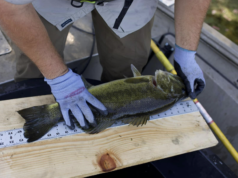
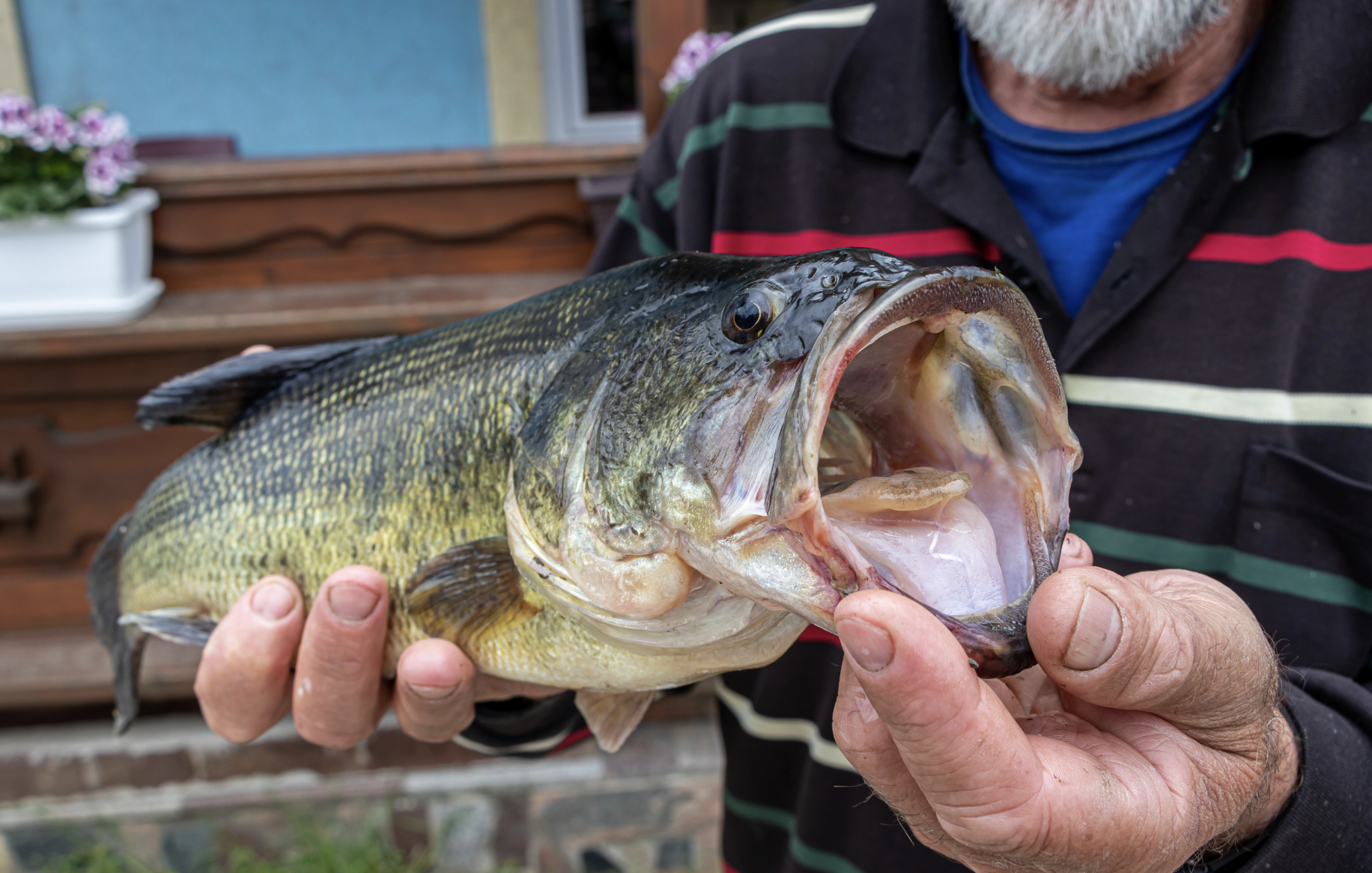
The size of the bass that feed during these events often surprises anglers who usually struggle to find quality fish in winter. Big bass take advantage of weakened forage because it offers the perfect combination of high calories and minimal energy waste. In many lakes, the shad kill is responsible for some of the heaviest catches of the season. Trophy fish that remain difficult to pattern through most of winter may become catchable for a short period when they rise to feed on dying shad.
The shad kill never guarantees action. It depends on weather, water temperature and the health of the forage population. Yet when conditions align, it provides one of the most reliable and exciting cold water patterns available. Understanding the signs and learning the subtle techniques required to mimic dying baitfish can turn a frigid, difficult day on the lake into one of the most memorable fishing experiences of the year.
Winter bass fishing rewards anglers who respect the rhythms of nature. The shad kill represents one of those rhythms, a seasonal shift that transforms the behavior of both prey and predator. When anglers tune in to that shift, they find themselves fishing with confidence, precision and purpose. In the middle of the coldest season, when most believe bass become unpredictable, the dying flutter of a single shad can reveal exactly where the biggest fish in the lake are feeding.